Envision Beyond Journal
The Art of Business 2024: WEF24 Davos Special Edition
By Ashia Zahran Ghani & Roberto Pérez Segura
Originally published
This issue is a special edition to reflect on the World Economic Forum Annual Meeting 2024 in Davos and is about the* *Art of Business. The Intelligent Enterprise Institute hosted a series of conversations throughout the week at the Heimatmuseum in Davos. In collaboration with La Zuleta’s Johanna A. Zuleta and the Arts & Culture team at the World Economic Forum, the Art of Business program brought together thought leaders, innovators, and visionaries under one roof to explore the intersections of technology, business, and culture.
Discover our reflections in this special edition, following a week brimming with fascinating conversations. Don’t miss the Food for Thought section below to hear from other perspectives!
In a world that’s undergoing a profound transformation, new technologies present both opportunities and risks. This demands a recalibration of our approach to decision-making and global collaboration, whilst levelling up both our technical and human capacities.
As we navigate this juncture, multiple future scenarios unfold, each contingent upon the choices we make today. Yet, the most promising narrative envisions a future in harmony, balance, and trust. A scene where human creativity and judgment coexist with machines, working towards the betterment of our world, complementing, and augmenting each other. Achieving this symbiosis requires a shift in perspective on the roles of humans and technology. It calls for strategic investments in preserving what keeps us grounded, cultivating new skills, fostering innovative leadership styles, and, most crucially, building a foundation of trust that binds everything together.
In this tapestry of transformation, we had turned the Heimatmuseum into a forum for a series of purposeful conversations to build together a bolder and better future that harnesses our new tools at the best, while cherishing our human touch. Watch below the highlights of "The Art of Business" 2024:
▶ Video: watch it in the original issue on LinkedIn
The Art of Business Reception
The world is on the cusp of embracing multiple future scenarios, each shaped by our decisions. The narrative that excites us the most? One where human creativity and machine intelligence are in concert, enhancing and amplifying the best of what we can achieve together. In the Art of Business reception, on Monday 15 January, we explored these possibilities and discussed how to strategically invest in our human essence—cultivating skills, leadership, and most importantly, the trust that ties it all together.
We began our day centered around Trust & Balance, engaging in the pivotal question of how to achieve the ideal symbiosis between human and machine intelligence. We were able to explore fascinating perspectives on the balance and between technology and human creativity. There was also a focus on how to cultivate belonging and trust in the age of AI, and the importance of transparency. The discussion emphasized the crucial need to carefully review AI training processes and implement measures for reporting errors, underlining that accountability in AI is key to building trust.
A key insight from this session highlighted that while AI excels in enhancing our work efficiency and accelerating output, it's crucial to use it as a tool to augment, not replace, our human intelligence. Over-reliance on AI could lead to the erosion of essential skill sets, underscoring the need for a balanced approach between technological assistance and human expertise.
Thanks to all the speakers from this session for their insightful thoughts and expertise, Hans-Ulrich Obrist, Tim Leberecht, Kim Dabbs, James Landay, Bernhard Kowatsch, Markus Barnikel and Martin Sondenheimer.

The day continued with a focus on Action & Impact, where we got to explore the evolving role of AI in our society. How are advancements in AI set to redefine humanity's role, reshape brand narratives, drive innovation, and enhance circularity in the future?
Key discussions focused on the vital need for a human-centric approach to AI, particularly in tackling the challenges of misinformation and disinformation. The session also highlighted the potential of AI as a tool for societal benefit and innovation, with future predictions suggesting that 'AI' could become as commonplace in our language as 'Google' is today.
We also explored how AI can be a driving force in promoting sustainable practices and supporting circular economies, underlining its significant role in environmental stewardship. The concluding discussion delved into AI's transformative impact on communication strategies, stressing the importance of maintaining authenticity and human connection, even as we navigate an increasingly digital world.
Thank you for the amazing insights! Naureen (Nora) N., Gary Marcus, Amogh Umbarkar, Wilfred de Graaf, Tonja Irina Hofer-Erismann, Dr. Niko Mohr, Prateek Mahalwar, Lilian Schwich, Lourdes Rosales, Ute Hildebrandt and Heather Craft.
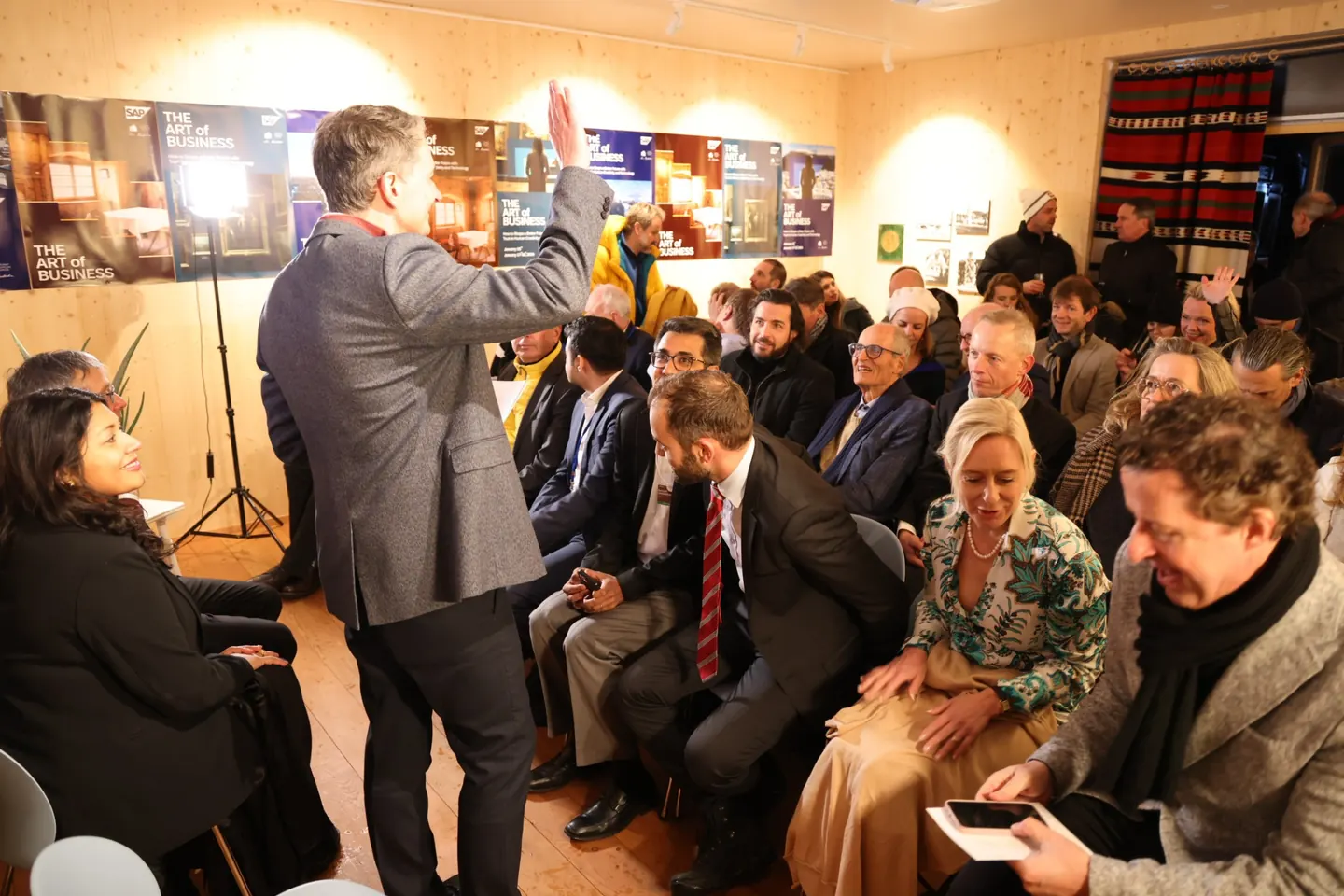
The day concluded with a focus on Uncertainty & Leadership, offering a wealth of insights into leadership in an AI-influenced future. From the evolving skills needed for future leadership, to how creativity can be a guiding force in navigating complex challenges, the focus on adaptability, empathy, and tech-savviness painted a vivid picture of tomorrow's leaders. The discussions also emphasized how awareness and heightened consciousness can empower leaders in an AI-driven future, underscoring the importance of a mindful approach in this era of rapid technological advancement.
A heartfelt thanks to Kai Henrik Müller, Prof. Dr. Anabel Ternès von Hattburg, Judith K. Wallenstein, Dr. Nikolas Epp, Johan Stahre, Pedro Wirz and Doris Sommer for their insights. These enlightening talks not only charted a course for innovative leadership amidst uncertainty but also provided a perfect ending to the Art of Business reception, leaving guests enriched and reflective during the closing reception over food and drinks.
The Art of Business Studio
Augmented People: The Future of People Augmented by Technology A conversation with Florian Mueller,Head of Advanced Analytics Group EMEA at Bain & Company, Sneha Revanur, Founder & President of Encode Justice and James Landay, Vice Director & Faculty Director of Research at Stanford Institute for Human-Centered AI, moderated by Jose Carvalho, Co-Founder & Co-Head of the Intelligent Enterprise Institute at SAP
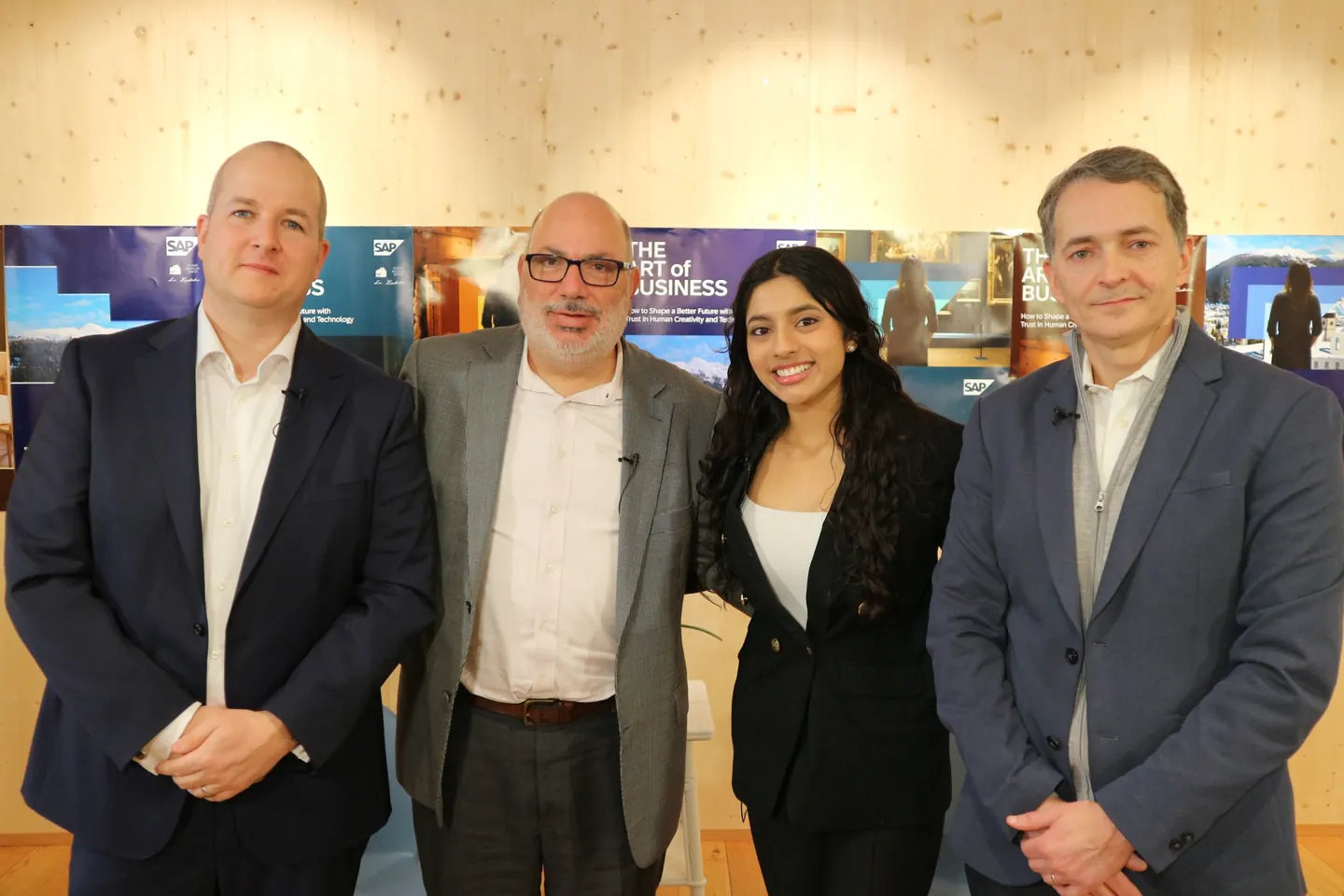
In this panel, we delved into the ways AI is revolutionizing the field of augmented intelligence, reshaping how we enhance human capabilities with technology. The emphasis should be on augmentation rather than replacement. James pointed out a notable example in radiology: the question isn't whether AI will replace radiologists, but rather that radiologists who adopt AI will surpass those who do not.
Florian wisely pointed out the need to balance technological advancements with ethical considerations to ensure the creation of responsible AI solutions, noting that it's not only ethical but also leads to better, profitable outcomes. Sneha echoed this sentiment, and also urged for a more intentional approach and purposeful strategy in how AI augments our skills.
The question remains, what does an ideal symbiosis between human and machine intelligence look like? James offered a compelling perspective: he envisions it as being ambient. Ideally, technology should enhance our capabilities without demanding our constant focus, allowing us to excel seamlessly. In agreement, Florian and Sneha touched upon how AI should enable us to dedicate time to more fulfilling tasks and stay connected with other humans.
Watch the full video below:
▶ Video: watch it in the original issue on LinkedIn
Evolving Intelligence: The Evolution of ERP in the Leap to Autonomous Enterprises A conversation with Juergen Mueller, Chief Technology Officer & Member of the Executive Board at SAP, Jonas Andrulis Founder & CEO of Aleph Alpha and Nicole Büttner, Founder & CEO at Mertantix Momentum, moderated by Stefan Schoepfel, Co-Founder & Co-Head of the Intelligent Enterprise Institute at SAP
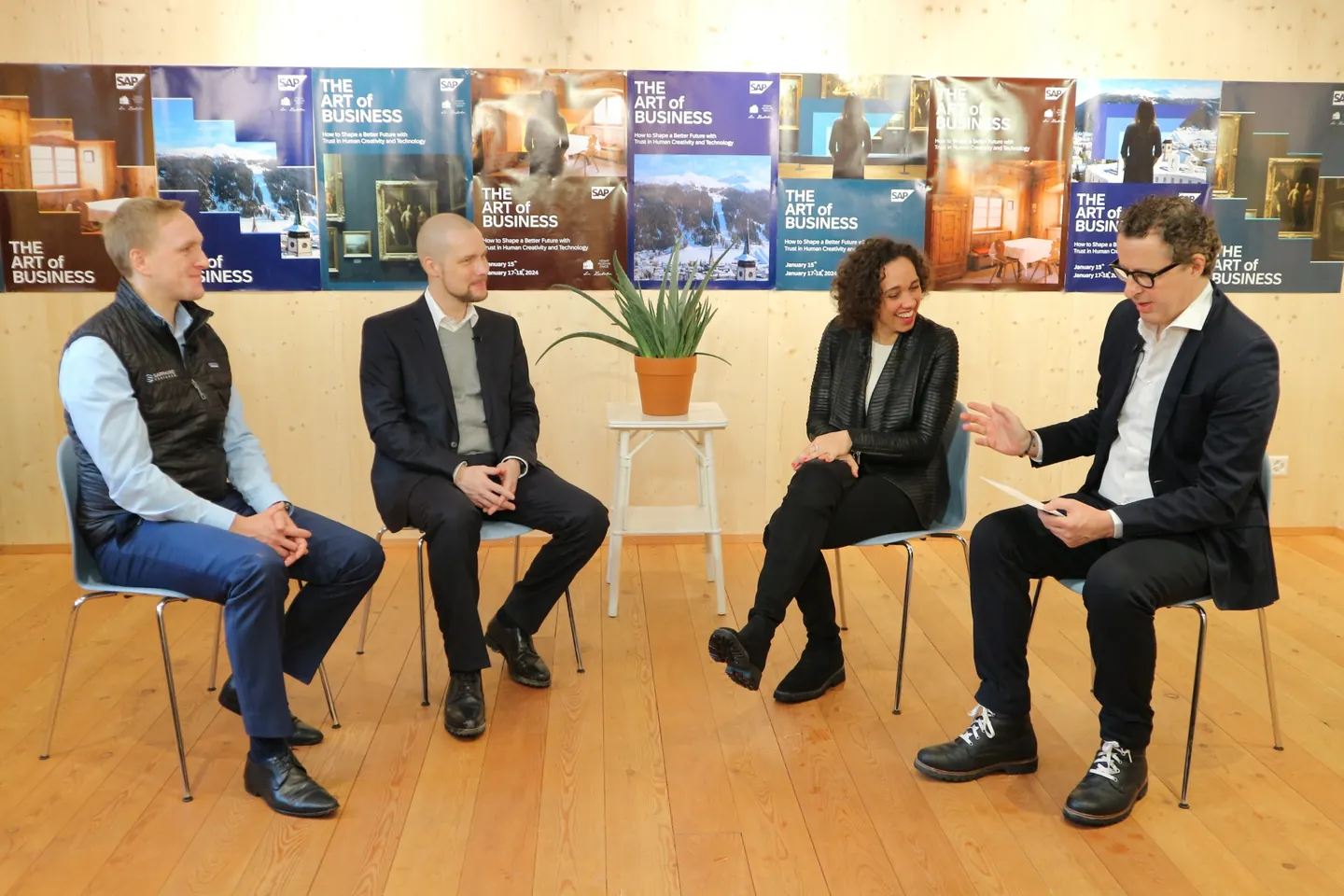
In this panel, we delved into the transformative progression of Enterprise Resource Planning (ERP) systems as they advance towards autonomous functionality, driven by the rapid development of AI and automation technologies.
Juergen shared a powerful vision of AI as a force that supercharges human capabilities, emphasizing the need for intentional design in AI systems for business optimization. He painted a future where AI, like a well-informed friend, aids in everything from summarizing information to making key decisions. Nicole focused on the deep impact AI can have in industries, stressing the importance of human expertise in guiding AI to successful outcomes. She also spoke passionately about accelerating our education journey in AI with the help of Gen AI, making it accessible to more people. Jonas brought a critical perspective, reminding us that regardless of AI's advancements, the responsibility remains in the human. He highlighted the complexities that AI cannot manage alone and expressed his desire to liberate workers from the tedium of their routine tasks.
This panel highlighted the multifaceted nature of AI in business, underscoring the need for a balanced approach where human insight and AI innovation work in tandem to shape a more efficient, creative, and humane enterprise landscape. Please watch the full panel video below:
▶ Video: watch it in the original issue on LinkedIn
Future-Proof Decisions: The Opportunity for Better StrategiesA conversation with Kai Henrik Müller, Founder & CEO of Experience One, Abhas Ricky, Chief Strategy Officer, Cloudera and Dr. Niko Mohr, Senior Expert Partner at McKinsey, moderated by Tonja Irina Hofer-Erismann, Global Head of Research & Incubation, Intelligent Enterprise Institute at SAP
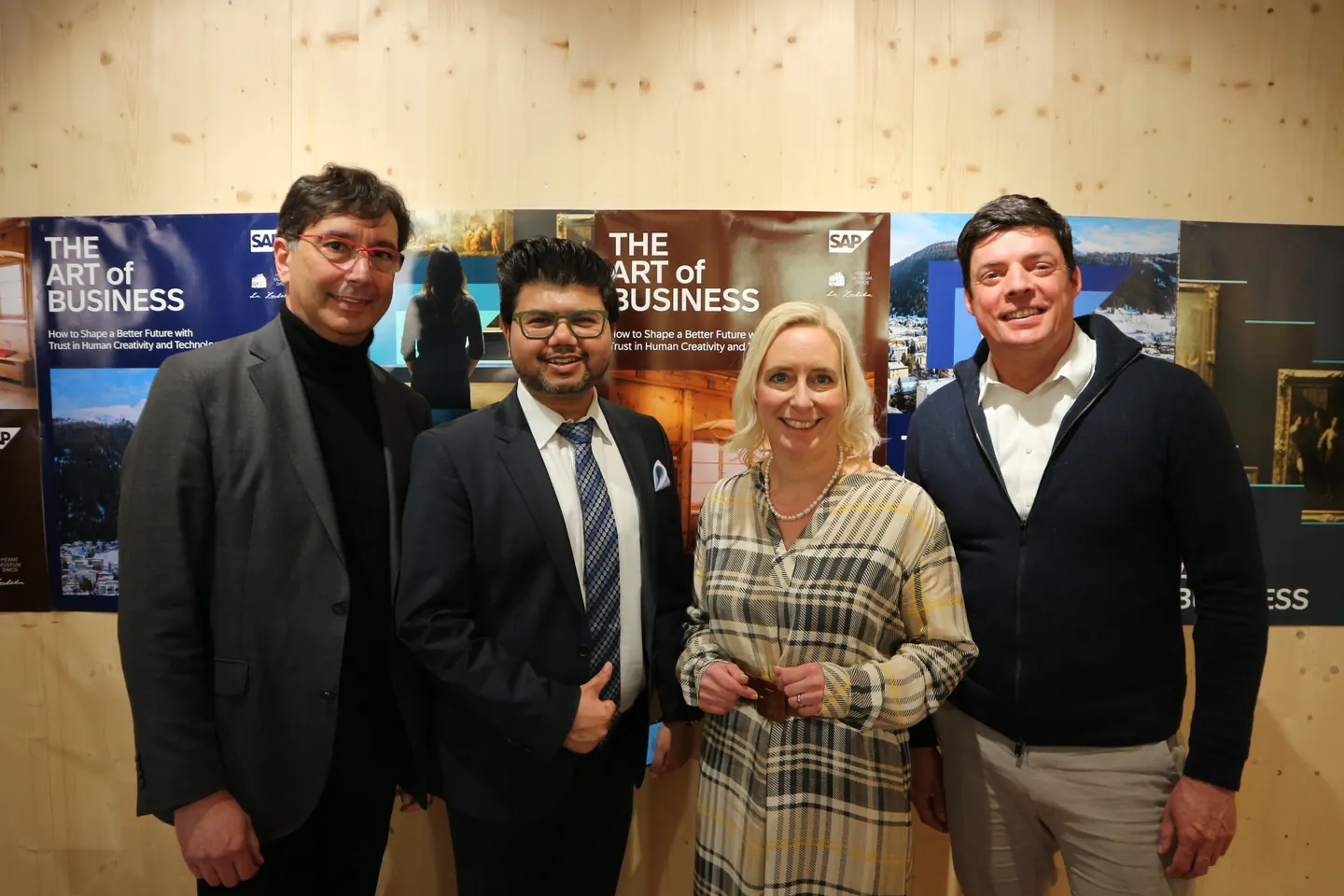
In this panel, we focused on the transformative role of AI in strategic decision-making across various business facets, from operational strategies to higher-level planning. This influence extends beyond merely assisting humans; it encompasses automated and even autonomous decision-making.
A striking example discussed was Kai's initiative to replace his role as a CEO with his digital twin. This led to an exploration of the limitations and challenges of such an approach. Abhas highlighted the crucial need for high-quality data as the foundation of effective AI. Meanwhile, Dr. Niko raised important points about both the technological and ethical considerations that must be addressed, such as expanding infrastructure capabilities and the moral implications of AI in leadership roles.
The discussion underscored the multifaceted nature of AI in the business world, blending technology with strategic foresight. It's a clear indicator that the future of business decision-making will be deeply intertwined with AI advancements. Stay tuned for the full recording of this insightful panel, where we delve deeper into these critical themes. Watch the full video below:
▶ Video: watch it in the original issue on LinkedIn
The Importance of DEI in AI: Building Inclusive and Equitable Technologies A conversation with Cassie Kozyrkov, CEO at Data Scientific, Ulli Waltinger*, Vice President AI & IoT at Siemens and Fellow of the Siemens AI Lab, and Dr. Marc Lakner, Managing Director DACH at Kearney, moderated by Ana-Maria Manda, Director Global Customer Partnerships Business Women’s Network *
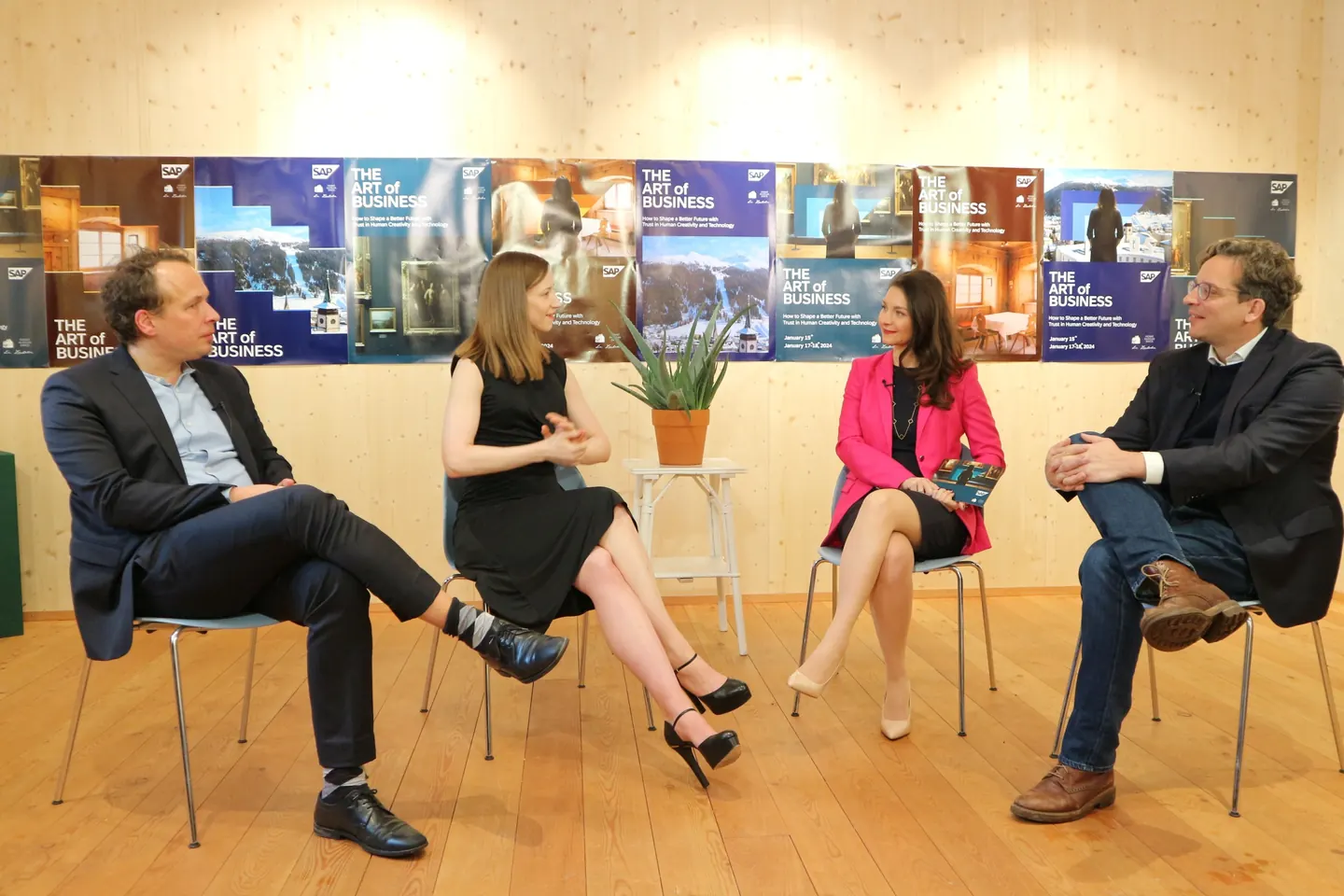
This thought-provoking discussion delved deep into the critical need for integrating Diversity, Equity and Inclusion (DEI) in the realm of AI development. The conversation focused on developing AI that is relevant, reliable and responsible, which means creating AI systems that are technically proficient, ethically sound, and socially beneficial.
We explored the importance of using unbiased and diverse datasets. Implementing measures for creating and maintaining data sets that are representative and free from biases is essential for equitable and inclusive AI development.
Our discussion covered key areas such as the vital role of AI in complementing business strategies and the significance of establishing robust policies for trust and transparency in AI systems.
This session was a call to action, underscoring the urgency of addressing these challenges in AI systems’ design and usage. We explored how DEI principles can drive more innovative, fair, and effective AI solutions, emphasizing the need for AI to be a tool for societal good, not a perpetuator of existing inequalities.
Watch the video below:
▶ Video: watch it in the original issue on LinkedIn
The Cultural Reception
The grand finale of the Art of Business program was marked by an Exclusive Cultural Reception at the Heimatmuseum in Davos, a fitting culmination of a week rich in dialogue, collaboration and innovation.
This reception signifies a continued celebration of our Cultural Leaders, echoing the spirit of the Cultural Table initiative launched by Joseph Fowler Heads of Arts & Culture at the World Economic Forum in partnership with SAP and Johanna Afrodita Zuleta in New York last September. It’s about fostering deeper connections between the realms of business and culture, igniting bold imaginations and innovative approaches to tackle the challenges we face. It was a delight to host such talented artists and cultural leaders, Benjamin Von Wong, Yaman Okur, Refik Anadol and Hans-Ulrich Obrist join us on this special evening.
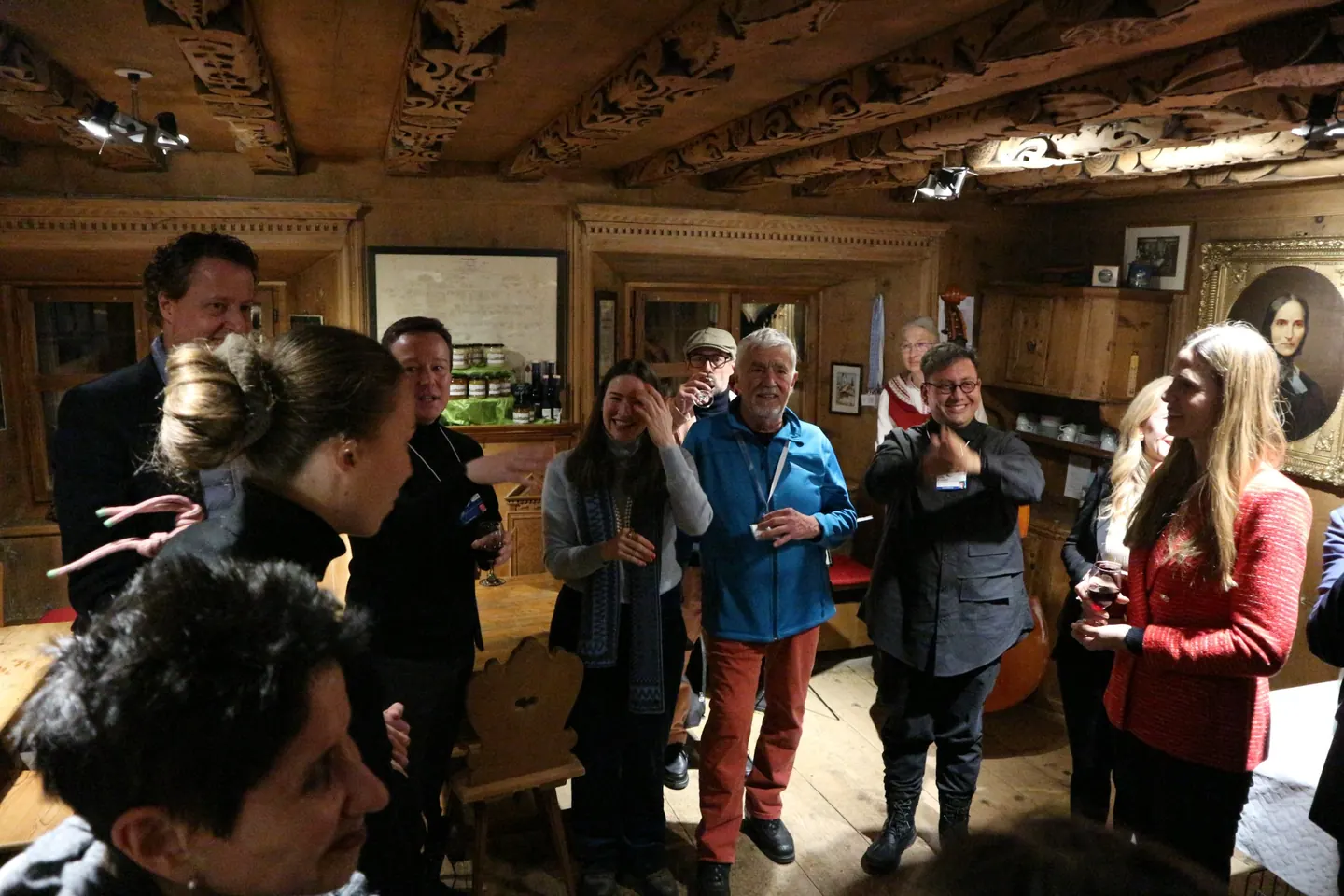
As we convened in Davos, the birthplace of so many ground-breaking ideas, this event stood as a testament to our ongoing commitment to championing cultural leadership and collaboration. While the reception is exclusive, its impact and the conversations it sparks will resonate well beyond the evening, influencing our approaches and strategies in business and beyond.
Food for Thought
More from the SAP House in Davos:
How Demystifying Generative AI Can Give Humans Superpowers
Why It’s Better to Accept GenAI Sooner, Not Later
Why GenAI Is the Powerful Tech That Can Change Everything
WEF24 Highlights SAP’s Role in Building Public Trust in AI
Why We Must Leave No One Behind in the AI Revolution by Julia White
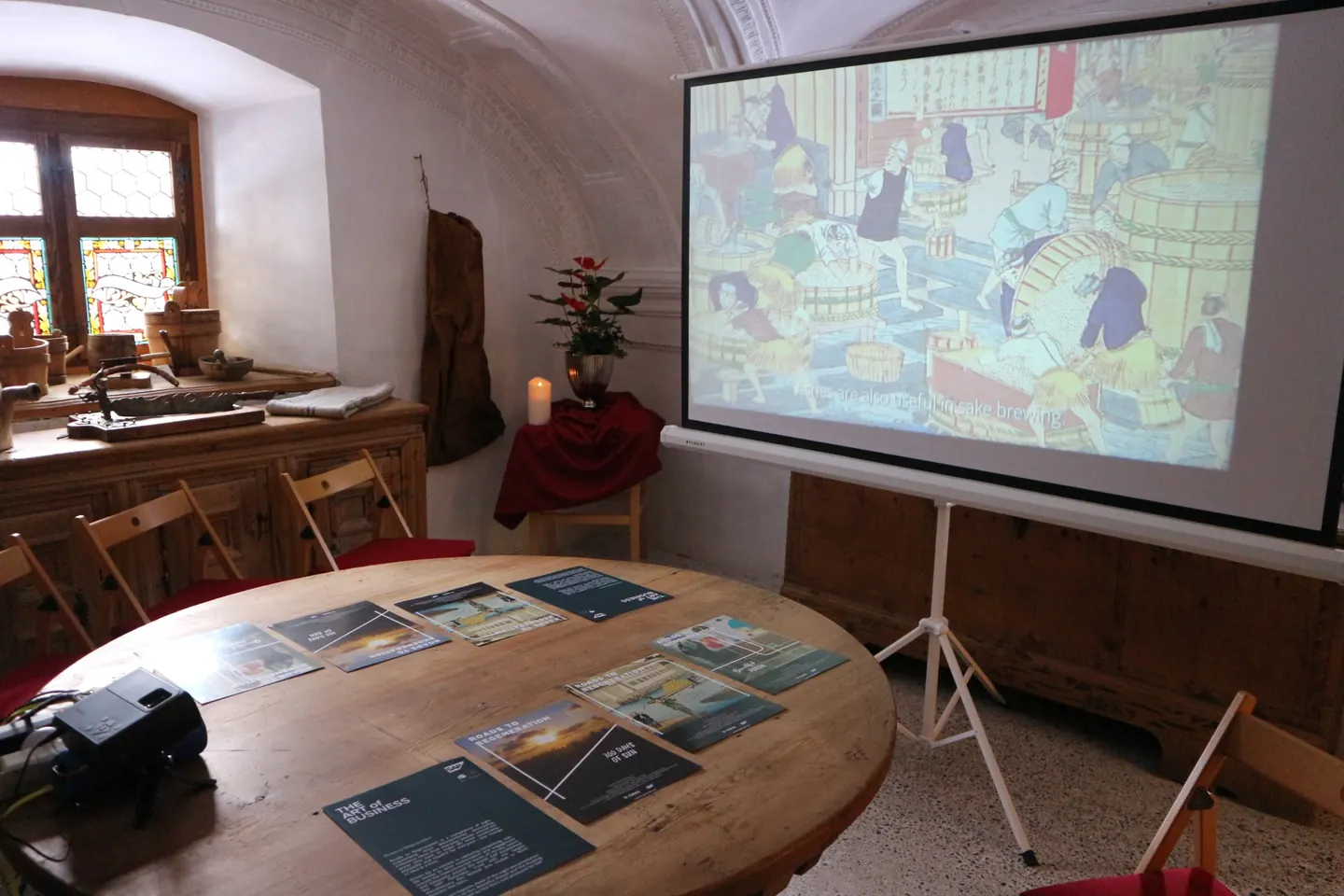
Trustworthy AI Can Reinvent Companies and Help Resolve Global Challenges by Christian Klein More on the Roads to Regeneration exhibition at the Heinmatmuseum: It was a pleasure to showcase three documentaries from the "Roads to Regeneration" series from SAP Insights - "300 Days of Sun", "Beautiful Poison”, and "The Floating World" at the Heimatmuseum. These films, part of a collection of eight inspirational shorts created by Hot Docs and produced by SAP, illustrate innovative ideas from around the globe for a more sustainable, equitable, and hopeful future. Special thanks to David Jonker and Jane Gray (O’Brien).